


The Governing Board of the Nigerian Shippers’ Council (NSC) has pledged strong support for the Council’s management in advancing the Federal Government’s economic growth agenda, with a focus on achieving a minimum of seven per cent growth by 2027–2028.
The commitment was made in Lagos during the inaugural meeting of the newly inaugurated board, where the Board Chairman, Dr Ibrahim Shema, said the Council would play a strategic role in supporting President Bola Tinubu’s vision of growing Nigeria’s economy to a one-trillion-dollar Gross Domestic Product (GDP) by 2030.
Dr Shema, a former Governor of Katsina State, described the targets as ambitious but achievable, stressing that success would depend on sustained collaboration between the board and management.
“It is of significant importance that the Nigerian Shippers’ Council and the Ministry of Marine and Blue Economy are fully aligned with Mr President’s vision of a one-trillion-dollar economy and seven per cent growth. The Council, the Board and management are hereby called to service. We have a lot of work ahead of us,” he said.
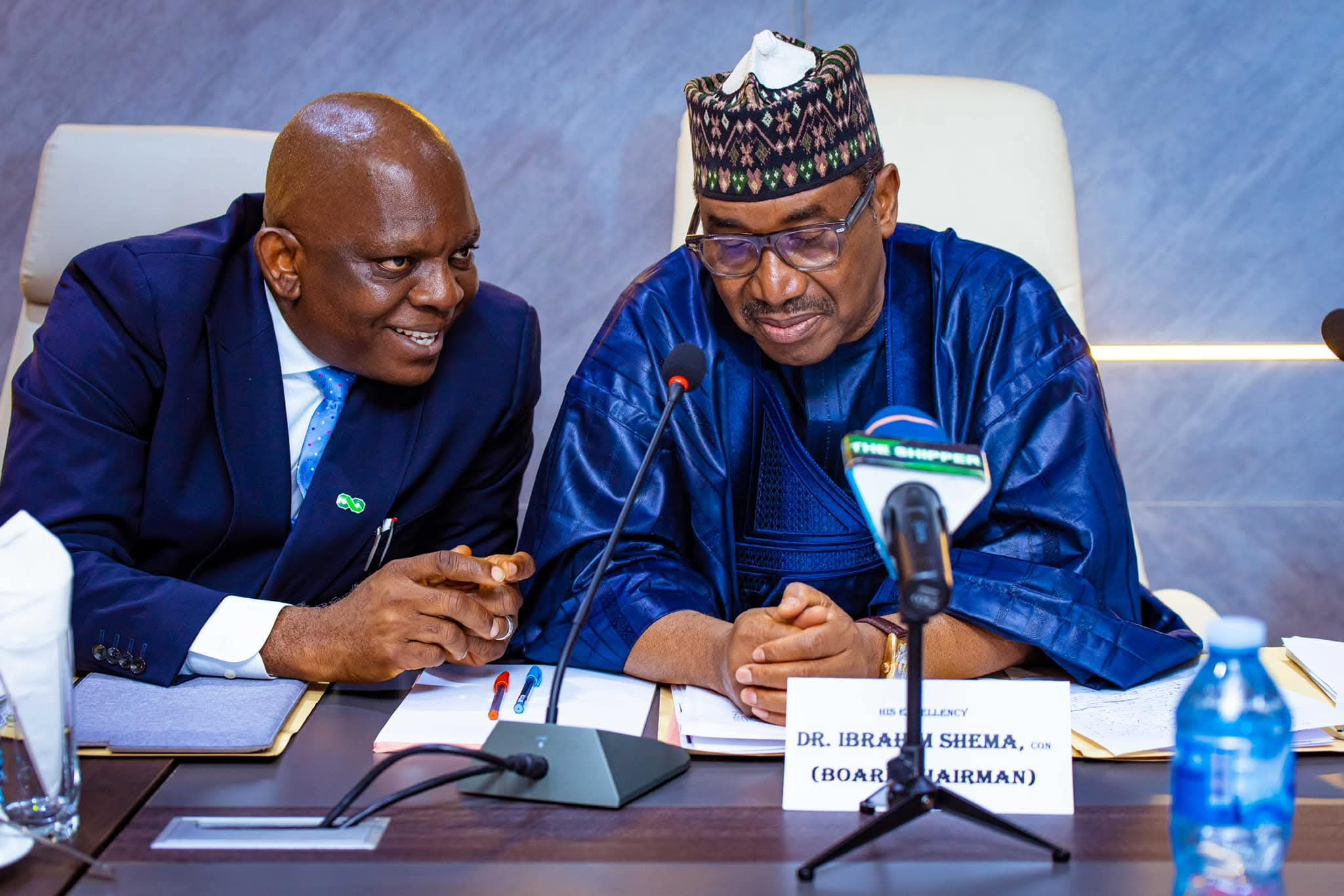
He emphasised that unlocking the full potential of Nigeria’s blue economy would require a collective and coordinated effort, noting that the maritime sector remains a critical driver of national and international trade.
According to the board chairman, the Council will prioritise initiatives aimed at improving the ease of doing business, facilitating trade and commerce, boosting revenue generation, and strengthening collaboration with stakeholders across the maritime industry and the wider real economy.
“As highlighted in the presentations we received, there is a clear need for collective effort if Nigeria is to realise its full potential in the blue economy sector,” Dr Shema added.
Earlier, the Executive Secretary and Chief Executive Officer of the Council, Dr Pius Akutah, underscored the importance of a strong working relationship between the board and management, noting that such synergy would deliver measurable institutional and financial outcomes for the NSC.
Dr Akutah identified key priority areas requiring the board’s guidance, including the actualisation of the Nigeria Port Economic Regulatory Agency (NPERA) Bill, the implementation of the International Cargo Tracking Note (ICTN), and the operationalisation of the one per cent Freight Stabilisation Fee.
“These initiatives are critical to strengthening regulatory clarity, improving cargo visibility, enhancing national security and securing sustainable revenue for the Council,” he said.
While acknowledging the scale of the task ahead, the ES/CEO said the moment also presents an opportunity to reposition the Nigerian Shippers’ Council as a more financially resilient and institutionally robust regulator.
He assured the board of management’s full support, noting that decisions would be driven by credible data, sound financial analysis and structured stakeholder engagement.
“With the guidance of this Board, I am confident that we will continue to protect shippers’ interests, promote efficient port operations and contribute meaningfully to national economic growth,” Dr Akutah stated.
He described the inaugural meeting as a landmark moment in the Council’s history, expressing optimism that the quality of the board’s composition would help drive the NSC’s strategic objectives and national economic goals.








Leave a Reply