


By Amina Ojelabi
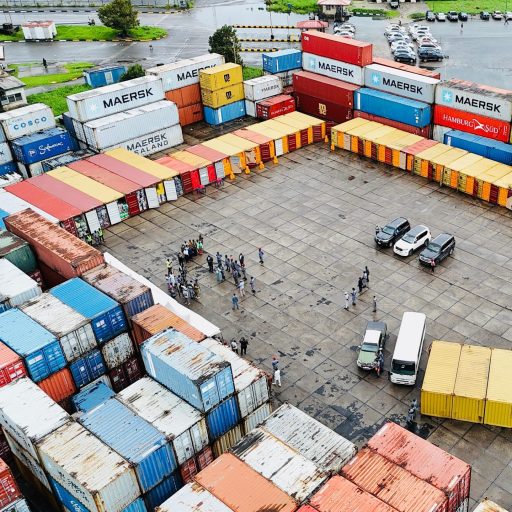
Lekki Deep Sea Port, Nigeria’s first deep seaport, has reached a major operational milestone, currently running at nearly 50 per cent of its designed capacity, a development industry stakeholders describe as a strong signal of growing confidence in the facility.
The Managing Director of Lekki Deep Sea Port, Mr. Wang Qiang, attributed the steady growth to increasing patronage from shipping lines and cargo owners, noting that container throughput has risen consistently since September.
According to him, the port’s next phase of expansion will be driven by stronger multimodal connectivity and deeper digital integration across the maritime value chain. While barge operations currently account for about 10 per cent of cargo evacuation, Wang stressed that rail connectivity remains critical for long-term efficiency, especially as industrial activities intensify within the Lekki Free Zone.
He acknowledged that the ongoing Lagos-Calabar Coastal Road will significantly improve road access to the port, but emphasised that rail infrastructure is indispensable to achieving Lekki Port’s full operational potential.
On digitalisation, Wang explained that the terminal is already fully automated, but added that the full benefits of automation can only be realised if all government agencies and port stakeholders align with end-to-end digital processes.
Echoing this position, Captain Jedrzej Mierzewski, Chief Executive Officer of Lekki Freeport Terminal, said the terminal’s rapid growth has positioned it as Nigeria’s second-largest container terminal within a short period.
He attributed the progress to modern infrastructure and operational excellence, adding that the terminal is strategically focused on becoming a leading transshipment hub for West Africa.







Leave a Reply