

The Nigerian Ports Economic Regulatory Agency (NPERA) has called for stronger coordination among government agencies, port operators and transport service providers to address challenges contributing to high logistics costs and improve trade facilitation.
The Director-General/Chief Executive Officer of NPERA, Akutah Pius Ukeyima, Esq., MON, Ph.D., made the call in his goodwill message at the Nigerian Transport Summit 2026, organised by JustAlive Communications Limited , in Lagos, on Friday.
Akutah said the challenges facing Nigeria’s transport sector were interconnected and required a coordinated approach involving government ministries and agencies, regulatory bodies, infrastructure providers, transport operators, investors and the business community.
He identified delays in cargo clearance, excessive or unpredictable charges, inadequate infrastructure and weak coordination among stakeholders as factors that could increase logistics costs and undermine the competitiveness of Nigerian businesses.
According to him, addressing these challenges requires sustained collaboration among relevant government agencies, port authorities, terminal operators, shipping companies, transport providers and other stakeholders.
He also called for improved information sharing, transparent procedures, effective complaint-resolution mechanisms and the responsible application of technology to port and transport operations.

“Addressing these challenges requires sustained collaboration among the relevant government agencies, port authorities, terminal operators, shipping companies, transport providers and other stakeholders,” he said.
The NPERA chief executive said effective economic regulation was essential to ensuring that port charges were reasonable, service delivery was efficient, stakeholders were treated fairly and the interests of port users were adequately protected.
He added that through stakeholder engagement, appropriate regulatory measures and evidence-based decision-making, the agency was committed to supporting a port system that reduces avoidable costs, improves operational efficiency and encourages fair competition.
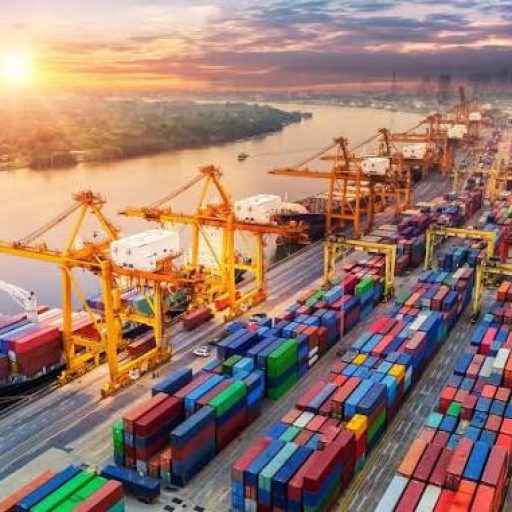
On multimodal transport integration, Akutah stressed the need for effective connections among road, rail, inland waterways and other transport modes to facilitate cargo movement from seaports to inland markets and production centres.
He noted that supporting transport infrastructure could help decongest seaports, improve cargo evacuation and bring port-related services closer to importers and exporters in the hinterland.
However, he said the benefits of such facilities depended on the availability of transport connections, effective operational arrangements, regulatory coordination and commercial partnerships.
He identified bottlenecks affecting rail freight services, road transport costs, cargo documentation, shipping arrangements and the utilisation of inland transport infrastructure as issues requiring continued attention.
Akutah urged participants at the summit to identify practical solutions to challenges affecting port operations, cargo evacuation, transport infrastructure, energy supply, logistics costs and trade facilitation.
He further emphasised the importance of innovation, digitalisation, environmental sustainability and international best practices, while ensuring that policies and regulatory interventions reflected Nigeria’s economic and operational realities.
The summit, themed “Navigating Global Disruptions and the Road Ahead: Mobility, Energy and Trade Facilitation for a Resilient Future,” brought stakeholders together to deliberate on issues affecting Nigeria’s transport and logistics sector.
Akutah reaffirmed NPERA’s commitment to constructive engagement with stakeholders to advance a transparent, efficient, competitive and sustainable port and maritime environment.




Leave a Reply