

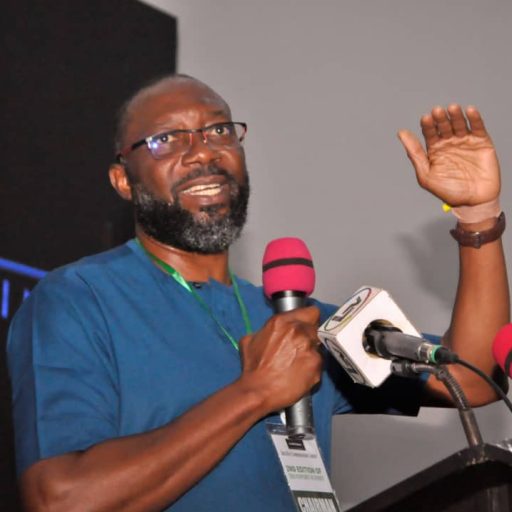
Executive Director, Operations and Technical at Tantita Security Services Nigeria Limited, Captain Warredi Enisuoh, has called for urgent reforms in Nigeria’s maritime security architecture, advocating stricter access controls, modern port infrastructure, automated surveillance systems and improved coordination across the transport sector.
Enisuoh made the call at the Second Nigeria Transport Summit 2026, themed “Navigating Global Disruptions and the Road Ahead: Mobility, Energy and Trade Facilitation for a Resilient Future.”
He said Nigeria must strengthen security across its waterways and offshore energy assets by adopting proven safeguards from the aviation sector, improving infrastructure planning and enhancing collaboration among security agencies, port operators and other maritime stakeholders.
According to him, aviation security has recorded significant progress through stringent international audits, perimeter fencing and strict access control measures, offering valuable lessons for maritime operations.
“When it comes to the airports, I can tell you one thing. The air side has done very, very well compared to the maritime side,” Enisuoh said.
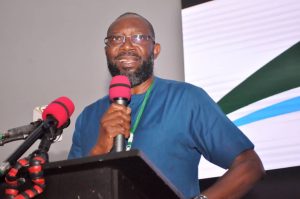
Executive Director Operations And Technical, Tantita Security Services, Capt Warredi Enisuoh
He urged maritime authorities to adopt appropriate airport security practices, stressing that effective surveillance and monitoring could deter criminal activities by making unauthorised movements easier to detect.
“The moment people know that they are being watched from one end to another, that itself is security for you,” he added.
The Tantita executive also criticised the fragmented development of Nigeria’s transportation infrastructure, noting that inadequate integration between airports, seaports and cargo distribution facilities continues to undermine logistics efficiency and trade facilitation.
“When we were building the country, we didn’t really think of intermodal transport,” he said.
Enisuoh explained that integrating different modes of transportation would improve cargo movement, reduce delays and strengthen the efficiency of the country’s supply chain.
He observed that some countries deliberately develop airports and seaports in proximity to facilitate seamless cargo transfers between air and maritime transport, urging Nigeria to adopt a more coordinated approach to future infrastructure development.
“Here, we are still operating in silos,” he said.
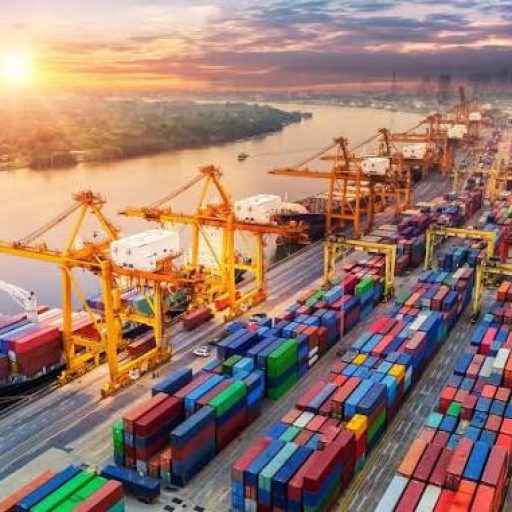
He further stressed the need to modernise existing port facilities and reassess infrastructure to meet changing shipping requirements and increasing cargo volumes.
“Even airports or seaports do expire,” Enisuoh noted, advocating investment in deeper ports capable of accommodating larger vessels and improving operational efficiency.
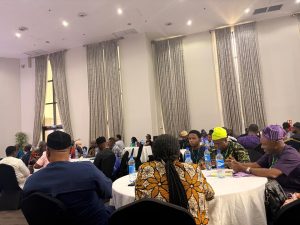
Guests seated at the 2nd Edition of Transport Summit organised by Just Alive Communications Held In Lagos
On technology adoption, he identified port automation as a critical component of maritime security and efficient cargo handling.
Using the Port of Los Angeles as an example, Enisuoh highlighted automated container tracking, driver identification and facial recognition systems as measures Nigeria could explore to strengthen access control and improve cargo monitoring.
“As a driver drives through the gates, there is facial recognition for the driver. They know who he is,” he said.
He explained that automated identification and container verification systems could help authorities detect irregularities, reduce unnecessary human intervention and improve accountability across port operations.
However, he stressed that effective automation would depend on adequate infrastructure, regulatory oversight and cooperation among agencies responsible for port management and security.
Enisuoh also warned that Nigeria must intensify efforts to protect its territorial waters and offshore energy infrastructure against evolving criminal threats and disruptions to international shipping.
He disclosed that Tantita had deployed long-range drones to enhance maritime surveillance, describing the equipment as capable of covering distances between Ghana and Warri.
“We have to be more aware. Maritime patrols should increase,” he said.
The Tantita executive maintained that sustained surveillance, increased maritime patrols and closer cooperation with security agencies were essential to safeguarding Nigeria’s maritime domain and critical energy assets.
He confirmed that the company was working in partnership with Nigerian security forces but declined to disclose specific operational details.
“We are working in partnership with the Nigerian Security Forces,” he said.
Enisuoh’s recommendations highlighted the need for a comprehensive approach to maritime security, combining stronger enforcement, modern port infrastructure, technological innovation and integrated transport planning to protect national assets and support Nigeria’s trade and economic development.



Leave a Reply