


The Nigeria Customs Service (NCS) and the Nigerian Midstream and Downstream Petroleum Regulatory Authority (NMDPRA) have reinforced their partnership to curb the diversion of petroleum products meant for local consumption, as Customs pledged support for new export point guidelines being developed by the regulator.
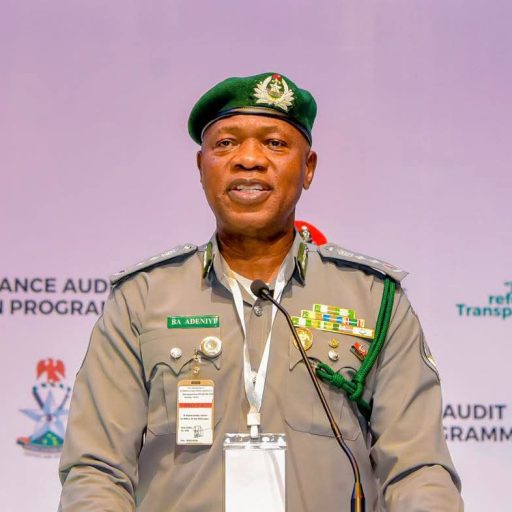
The renewed collaboration came to the fore during a strategic meeting between the Comptroller-General of Customs, Adewale Adeniyi, and the Executive Director, Distribution Systems, Storage and Retailing Infrastructure at the NMDPRA, Ogbugo Ukoha, held on Tuesday, December 9, 2025, at the Customs House, Maitama, Abuja.
Speaking at the meeting, CGC Adeniyi reaffirmed the commitment of the Nigeria Customs Service to deeper inter-agency cooperation aimed at protecting Nigeria’s domestic energy security and preventing the diversion of petroleum products across borders. He noted that collaboration between both agencies had already yielded tangible results, particularly through Operation Whirlwind, which he described as a benchmark for intelligence sharing, joint enforcement and coordinated field operations.
Adeniyi said Customs remains fully aligned with ongoing reforms in the petroleum regulatory space and will continue to offer technical input, operational feedback and border management expertise to support the effective implementation of the new export point guidelines being finalised by the NMDPRA.
Commending the Authority for harmonising legacy processes with the Petroleum Industry Act, the CGC stressed that clear and efficient export procedures are critical as Nigeria transitions from a net importer to an emerging exporter of petroleum products.
“We welcome every initiative that strengthens energy security and ensures that the gains recorded in reducing cross-border diversion are sustained. Our collective responsibility is to protect national interest, support legitimate trade and maintain a transparent system that stakeholders can trust,” Adeniyi said.
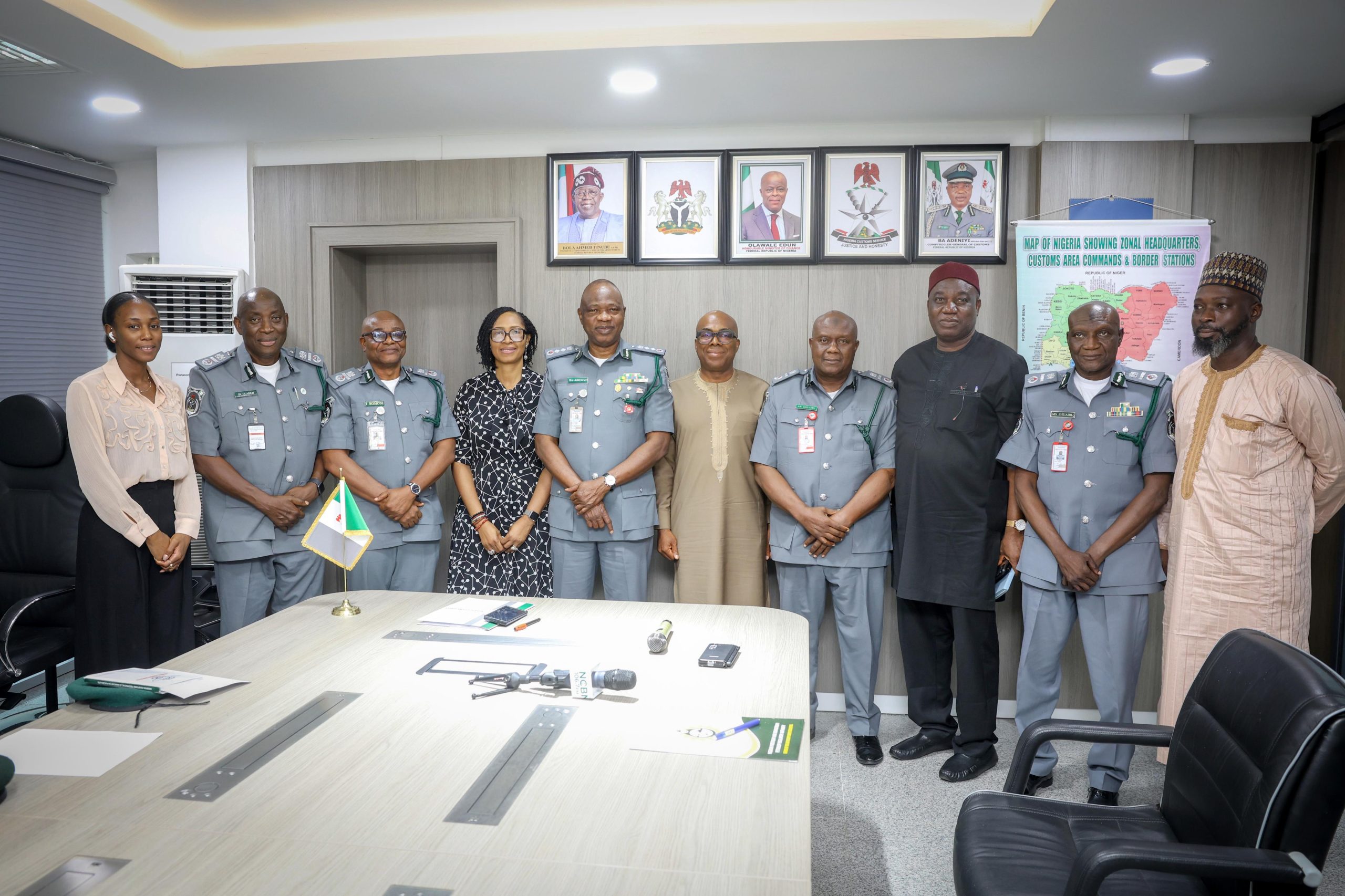
In his remarks, Ukoha described the relationship between the Nigerian Midstream and Downstream Petroleum Regulatory Authority and the Nigeria Customs Service as longstanding and productive, identifying Operation Whirlwind as the high point of that collaboration.
He explained that the joint deployment of personnel, intelligence sharing and coordinated monitoring of border corridors had led to a significant reduction in cross-border diversion of petroleum products.
According to Ukoha, the visit was to brief Customs leadership on newly developed guidelines for the designation of export points for petroleum products, in line with Nigeria’s expanding refining capacity. He added that the NMDPRA is consulting key stakeholders, including the Central Bank of Nigeria, the Federal Ministry of Industry, Trade and Investment, and the Nigerian Navy, to ensure the guidelines are practical and aligned with operational realities.
He also recalled several joint field operations and strategic engagements, including the launch of Operation Whirlwind in Yola, where both agencies reaffirmed their commitment to safeguarding the domestic supply chain.
Ukoha noted that while enforcement efforts had been instrumental in reducing irregular movements of fuel, the removal of subsidy had also diminished the economic incentive for cross-border smuggling.
He assured that the NMDPRA would continue to work closely with Customs to sustain progress, ensure effective regulation of petroleum exports and protect Nigeria from energy security risks.




Leave a Reply