

The Maritime Academy of Nigeria has identified efficiency, innovation, safety, technology, effective regulation and quality human capital as critical drivers of Nigeria’s port competitiveness.
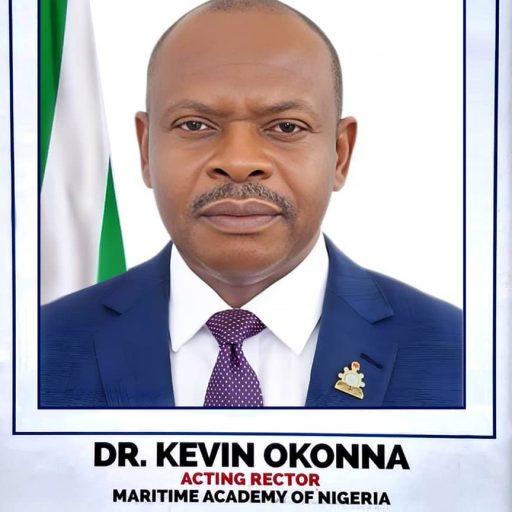
The Acting Rector of the Academy, Dr. Kevin Okonna, stated this in a goodwill message delivered by the Academy’s Image Manager, Domo Umoekpe, at the Maritime Reporters’ Association of Nigeria (MARAN) Annual Lecture held on September 10, 2026, at the Naval Dockyard, Victoria Island, Lagos.
The lecture, themed “Nigerian Ports Modernisation, Charges and the Competitiveness Question,” brought together stakeholders to deliberate on the challenges and opportunities confronting Nigeria’s ports and the wider maritime industry.
Okonna, who commended MARAN for convening the event, stressed that port competitiveness was not solely dependent on infrastructure but also on the availability of competent professionals capable of operating and sustaining modern facilities to international standards.
According to him, the Academy, as Nigeria’s foremost maritime training and education institution, recognises its strategic role in developing the human capital required to support the country’s maritime ambitions.
He said the institution had continued to invest in modern training infrastructure, advanced simulators, practical training facilities and improved learning environments, while strengthening partnerships with key stakeholders within and outside Nigeria.
“As we discuss port modernisation and competitiveness, we must recognise that our future ports will be driven by both technology and people,” the Acting Rector said.
He added that the Academy remained committed to aligning its training programmes with industry needs, international conventions and emerging technologies.
Okonna highlighted the Academy’s modern simulation facilities, specialised seafarers’ training centre, marine engineering workshops and other practical training infrastructure as platforms through which cadets and maritime professionals could acquire competencies relevant to both the Nigerian and global maritime markets.
He further noted that the Federal Government’s renewed emphasis on the Marine and Blue Economy was aimed at positioning Nigeria as a leading maritime hub in Africa.
To achieve that vision, he said, the country must ensure that its ports remained competitive, maritime institutions were strengthened and the workforce was adequately equipped to take advantage of opportunities within the sector.
The Acting Rector expressed the Academy’s commitment to contributing to the national effort, while commending MARAN and participants for advancing discussions on issues critical to the growth and development of Nigeria’s maritime industry.
He expressed confidence that the lecture would generate practical recommendations capable of supporting port modernisation and strengthening Nigeria’s position in the global maritime economy.










Leave a Reply