

Nigeria Customs Service, Presidential Enabling Business Environment Council Step In as Nigerian Revenue Service Tackles NSW Disruptions
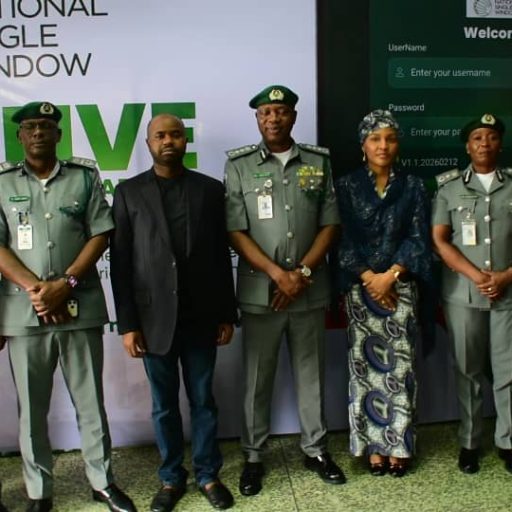
The Nigerian Revenue Service, Nigeria Customs Service, and Presidential Enabling Business Environment Council have conducted a joint assessment of the National Single Window (NSW) operational hub in Apapa, Lagos, pledging swift interventions to address early disruptions following the platform’s launch.
The visit comes days after the Federal Government rolled out the NSW—Nigeria’s first unified digital trade portal aimed at streamlining import and export processes, reducing delays, and lowering port-related costs.

Speaking during the inspection, NRS Chairman, Zacch Adedeji, praised Bola Ahmed Tinubu for actualising a long-delayed reform. He reassured traders affected by initial delays, describing them as temporary.
“These are teething issues. We will engage terminal operators and relevant stakeholders to ensure demurrage charges are waived on affected containers,” Adedeji said.
He attributed the delays to complexities associated with migrating data from legacy systems, noting that while some transactions have been seamless, others have experienced setbacks.
Despite this, Adedeji highlighted strong user adoption across the port community, describing it as a positive signal for the platform’s long-term success.
Also speaking, Comptroller-General of Customs, Bashir Adewale Adeniyi, described the visit as a “working review” to assess system performance and resolve operational gaps.
“National Single Window is here to stay. It will transform Nigeria’s trade environment and enhance competitiveness,” he said, noting that initial technical issues—such as manifest uploads and shipping integration—have largely been resolved.
Adeniyi expressed confidence that ongoing training and stakeholder collaboration would accelerate system stabilisation, drawing parallels with the successful rollout of the Customs B’Odogwu automation platform.
Director-General of PEBEC, Zahrah Mustapha Audu, described the NSW as central to the administration’s ease-of-doing-business reforms.
“Yes, there will be challenges—it’s software. But this is a major step forward for Nigeria,” she said, expressing optimism that cargo dwell time could drop to under seven days in 2026, with potential improvements to as low as three to four days.
The agencies urged stakeholders to remain patient, assuring that the long-term gains—including centralized documentation, reduced human interface, faster cargo clearance, and lower operational costs—far outweigh current challenges.
Further engagements with terminal operators and shipping companies are expected as part of efforts to ensure seamless implementation of the platform.












Leave a Reply