

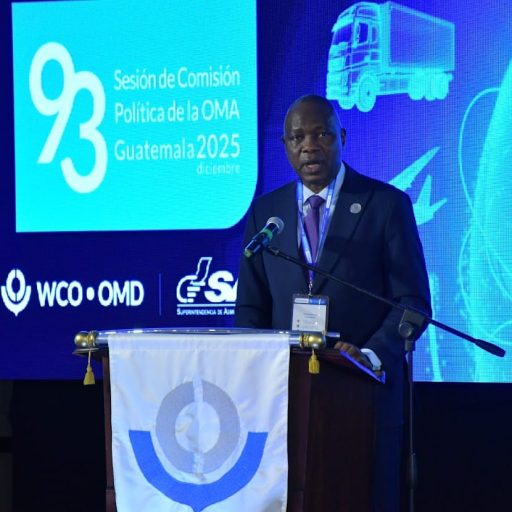
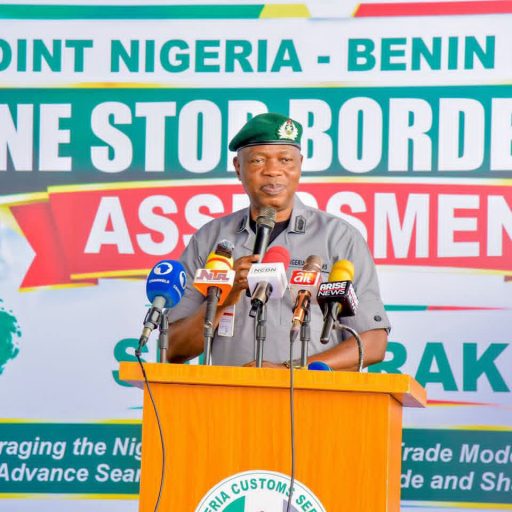
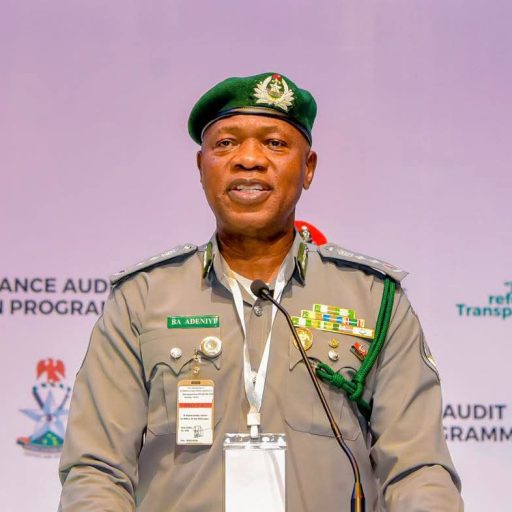
The Comptroller-General of Customs, Adewale Adeniyi, has chaired his first meeting as Chairperson of the World Customs Organisation (WCO) Council, presiding over the 93rd Session of the WCO Policy Commission in Antigua, Guatemala—an engagement that further elevates Nigeria’s profile in international customs leadership.
The session, held from 2–4 December 2025 at the historic Hotel Soleil, convened Heads of Customs and senior representatives from across the WCO’s six regions.
In his opening remarks, CGC Adeniyi welcomed delegates to the UNESCO World Heritage city of Antigua Guatemala, honouring customs officers who died in the line of duty and urging participants to contribute meaningfully to discussions shaping the evolving global customs environment.
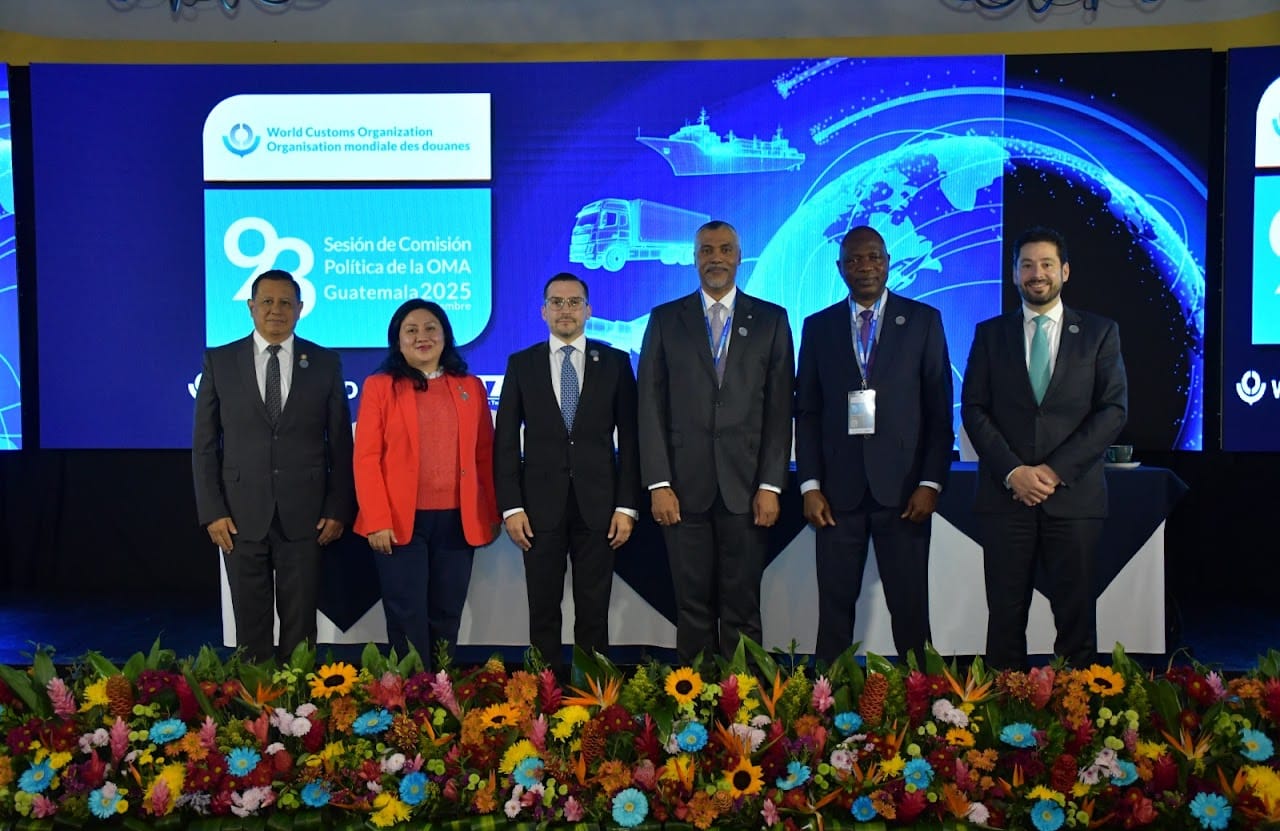
He was joined by WCO Secretary General Ian Saunders and Guatemala’s Vice Minister of Public Finance, Hon. Patricia Joachin, who spoke on behalf of the host government. Delegates were also treated to a cultural evening at the renowned Capuchinas Ruins—an event that underscored the host nation’s rich heritage.
Adeniyi’s election as WCO Council Chair in June 2025 was widely celebrated as a landmark achievement for Nigeria and the African continent, placing the country at the head of an organisation comprising 187 customs administrations.
Reflecting on the significance of the role, Adeniyi described his mandate as “a major responsibility for Nigeria and for Africa,” noting that his priority is to provide leadership that enhances global trade facilitation, strengthens security, and promotes inclusive customs governance.
His remarks aligned with insights he previously shared during an exclusive WCO Global interview on The Customs Exchange: Conversations with Global Customs Leaders, where he said his election affirmed the progress of Nigeria’s ongoing customs reforms.
According to him, the confidence entrusted in his leadership by the global customs community is “an endorsement that we are on track,” pointing to reforms implemented over the past two years—including procedural modernisation, system upgrades, and strengthened international cooperation.
He cited Nigeria’s Authorised Economic Operator (AEO) programme—developed with WCO support—as one of the most transformative initiatives undertaken by the Nigeria Customs Service. The programme, he noted, has shortened clearance timelines, boosted revenue efficiency, and strengthened trust between Customs and compliant traders.
Adeniyi also referenced Nigeria’s implementation of the SAFE Framework of Standards, the Time Release Study (TRS), and ongoing work on advance rulings as evidence of the country’s alignment with global best practices.
Calling for deeper cooperation among customs administrations, he emphasised diversity as a defining strength of the WCO. “Our uniqueness is our strength,” he said. “We must continue to allow that diversity to create opportunities and progress for us.”



Leave a Reply