


By Amina Ojelabi
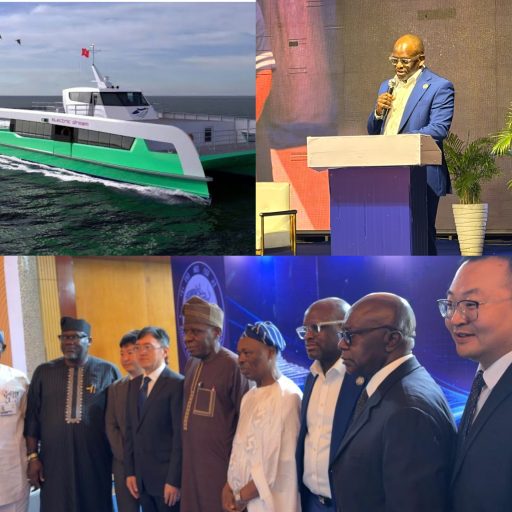
The Lagos State Government has clarified that the Omi Eko water transportation project is currently at the design and planning stage, explaining that physical infrastructure development will commence in subsequent phases ahead of its projected 2031 completion.
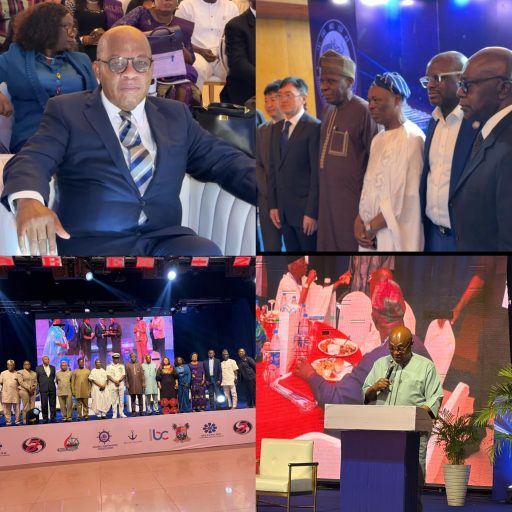
The Special Adviser to the Lagos State Government on Blue Economy, Oluwadamilola Emmanuel, disclosed this during an interview with World Swift News (WSN) at the Nigeria Maritime Expo (NIMAREX) 2026, held on Tuesday, November 17, at the Oriental Hotel, Lagos.
Emmanuel explained that the project, scheduled to run from 2025 to 2031, is being implemented in phases, with the initial years dedicated to design, technical planning and procurement processes.
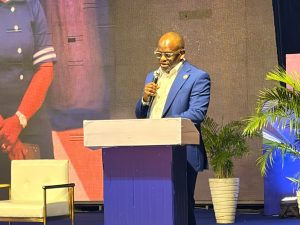
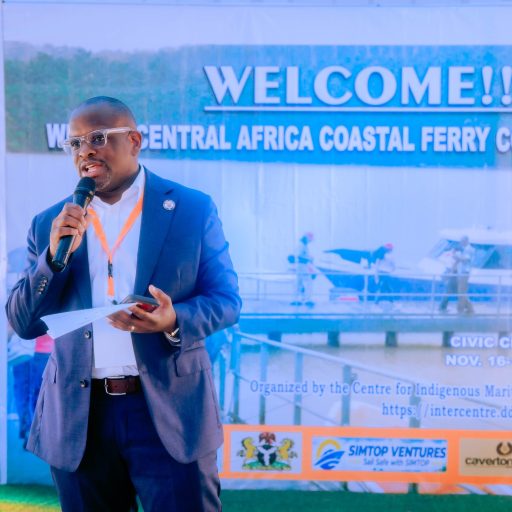
Mr OluwaDamilola Emmanuel Special Adviser to the Lagos State Governor on Blue Economy and also Managing Director of Lagos State Waterways Authority LASWA present at the Nigerian Maritime Expo NIMAREX 2026 in Lagos.
He stressed that the absence of visible construction activities should not be interpreted as a lack of progress, noting that the project is currently undergoing the necessary preparatory stages before the commencement of major infrastructure works.
According to him, the design phase is fundamental to ensuring proper planning and effective implementation, adding that the project is not merely an announcement but an initiative progressing through its established development framework.
On the potential of cross-border ferry services to ease road congestion, particularly along the Badagry-Seme corridor, where more than 50 articulated trucks reportedly move daily, Emmanuel identified water transportation as a viable alternative to road transport.
He, however, emphasised the need for comprehensive feasibility studies to determine suitable ferry routes, assess passenger and cargo demand, and establish the operational requirements for sustainable cross-border services.
The Lagos State Government, he said, also recognises the importance of collaboration with the Federal Government in addressing transportation challenges, improving traffic management and creating an enabling environment for water transportation operators.
Emmanuel further highlighted the importance of sustained cooperation with the National Inland Waterways Authority (NIWA), noting that effective inter-agency collaboration would ensure alignment in project implementation and support the replication of successful water transportation initiatives across other states.
He maintained that partnerships between relevant government institutions remain critical to developing an integrated water transportation network capable of reducing pressure on roads, facilitating trade and unlocking the economic opportunities of Nigeria’s blue economy.
The clarification comes amid growing stakeholder interest in the Omi Eko project and expectations surrounding its potential to transform water transportation, improve urban mobility and strengthen Lagos State’s blue economy.




Leave a Reply