

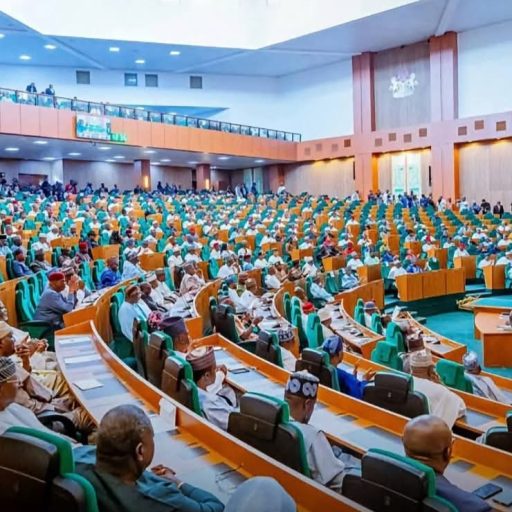

The House of Representatives is considering a bill seeking to introduce persistent denial of marital intimacy for at least three months as an additional ground for divorce in Nigeria.
The proposed amendment to the Matrimonial Causes Act, 2004, also seeks to recognise threats or infliction of grievous bodily harm, as well as emotional and psychological trauma, as grounds for seeking the dissolution of a marriage.
The bill, sponsored by Dominic Okafor, representing Aguata Federal Constituency of Anambra State, seeks to expand the grounds for matrimonial relief under Section 16 of the existing Act.
Titled “A Bill for an Act to Amend the Matrimonial Causes Act (MCA), Cap M7, Laws of the Federation of Nigeria, 2004, and for Matters Related Thereto,” the proposed legislation was read for the first time on the floor of the House on Tuesday.
One of the key provisions of the bill seeks to empower a spouse to initiate divorce proceedings where their partner has habitually and persistently denied them conjugal rights for a period of not less than three months.
The proposed amendment also seeks to recognise cases where a spouse has inflicted or threatened to inflict grievous bodily harm on their partner since the marriage was contracted as grounds for matrimonial relief.
In addition, the bill proposes that emotional and psychological trauma caused by a spouse should constitute a valid ground for seeking relief under the law.
If passed, the amendment would expand the existing provisions of the Matrimonial Causes Act, which already recognises adultery, unreasonable behaviour, desertion, prolonged separation and wilful and persistent refusal to consummate a marriage among grounds for divorce.
Other recognised grounds include habitual drunkenness or intoxication through excessive use of drugs for at least two years, as well as the commission of rape, sodomy or bestiality by a spouse since the marriage was contracted.
The proposed legislation is expected to proceed to a second reading, where lawmakers will debate its general principles before advancing to further legislative stages.
However, the bill has not yet become law. It must be passed by the National Assembly and receive presidential assent before the proposed provisions can take effect.













Leave a Reply