

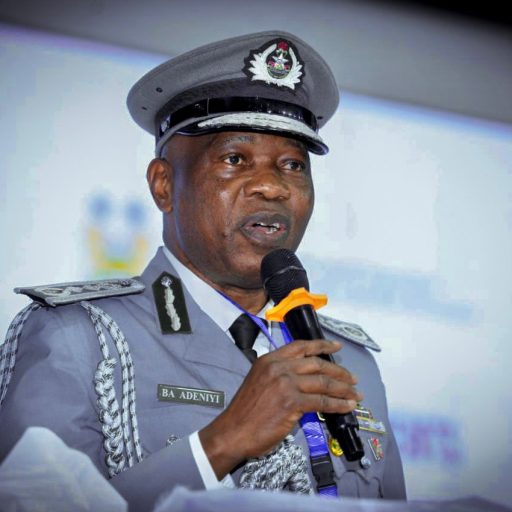
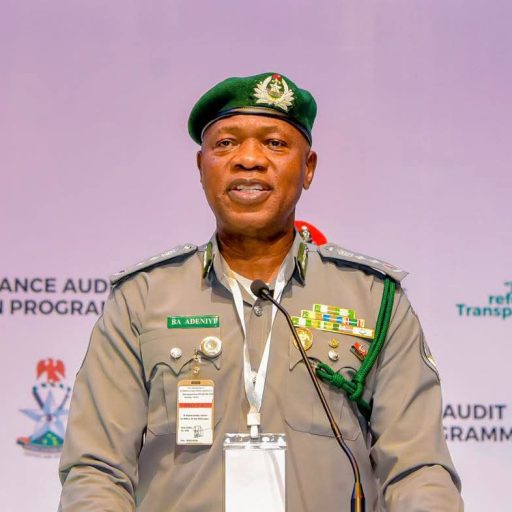
The Comptroller-General of the Nigeria Customs Service (NCS) and Chairperson of the World Customs Organisation (WCO) Council, Adewale Adeniyi, has reaffirmed Nigeria’s commitment to regional Customs modernisation, trade facilitation, and collective growth across West and Central Africa.
Speaking at the 32nd Conference of Directors-General of Customs for the West and Central Africa (WCA) Region held in Freetown, Sierra Leone, from May 7 to 8, 2026, Adeniyi stressed that Nigeria’s leadership within the region is driven by unity, inclusiveness, and shared progress among member states.
Addressing delegates at the high-level summit, the Customs boss described the WCA region’s tradition of rotational leadership as a unique strength that promotes cohesion among member countries regardless of size or economic status.
“This chairmanship is not mine. It belongs to the region that sent me,” Adeniyi declared. “Anytime I take the chair, I take it on behalf of every administration represented in this hall.”
He further praised the region’s long-standing culture of inclusivity, noting that the hosting rights and leadership responsibilities rotate naturally among member nations.
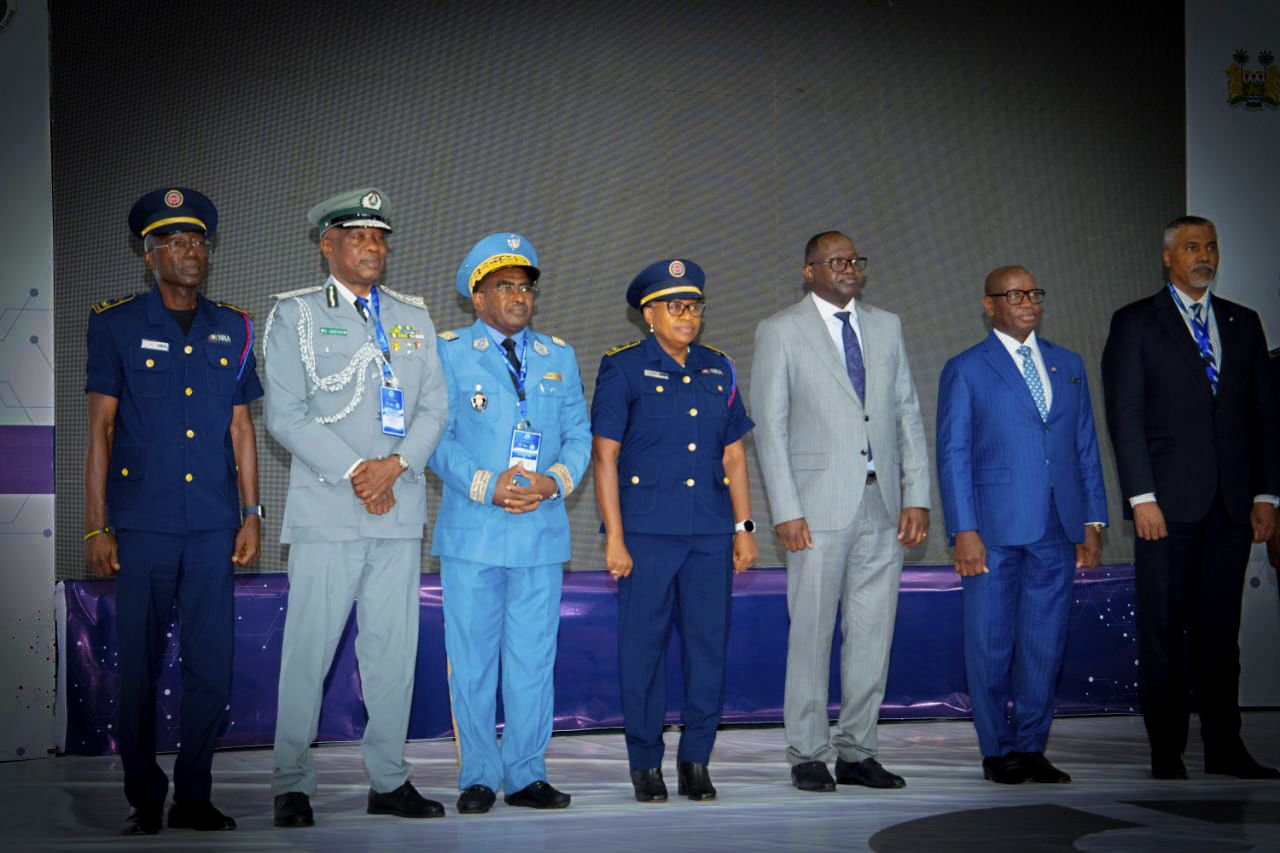
“Our region has a quiet but powerful tradition. Every member, big or small, takes its turn. The right to host is not negotiated. We pass the baton from one capital to the next, and in the passing, we remind ourselves of who we are,” he stated.
Adeniyi also commended the WCO Secretary-General and members of the WCO Policy Commission representing the West and Central Africa Region for sustaining an inclusive modernisation agenda and ensuring the region remains actively represented in global Customs reforms and decision-making processes.
The conference was officially declared open by the President of Sierra Leone and Chairman of the ECOWAS Authority of Heads of State and Government, Julius Maada Bio, who underscored the need for stronger regional collaboration in trade facilitation, border security, and economic integration.
With the theme, “A Customs Service that Protects Society Through its Vigilance and Commitment,” the conference focused heavily on digital transformation and the transition from reactive enforcement to proactive, intelligence-led Customs operations.
Sierra Leone’s Minister of Finance, while setting the tone for policy discussions, described Customs administrations as the protective shield of modern states and unveiled the country’s modernisation initiatives, including the upgrade of ASYCUDA World, implementation of a Single Window Customs and Ports Community System, and the introduction of Product Tracing and Fiscal Integrity solutions for excisable goods.
Throughout the two-day conference, delegates reviewed reports from the WCO Secretariat and the Regional Working Group on the Private Sector, with discussions centred on harmonising Customs procedures across borders, improving real-time information sharing to combat illicit trade, and strengthening administrative efficiency through budgetary and audit reforms.
Digital transformation emerged as a dominant theme, with participants highlighting the importance of Single Window implementation, the ECOWAS SIGMAT framework for transit verification, and the operational impact of the African Continental Free Trade Area (AfCFTA) on Customs harmonisation, risk management, and cross-border data exchange.
Delegates agreed that while regional trade integration remains essential, effective border control systems and coordinated intelligence-sharing mechanisms are equally critical in tackling illicit trade and transnational crimes.
The discussions aligned closely with the Nigeria Customs Service’s ongoing modernisation agenda, particularly in automation, intelligence-led enforcement, and regional cooperation.
The conference also witnessed the election of the Central African Republic as the new Vice Chair of the WCO West and Central Africa Region, succeeding Mali after the completion of its two-year tenure.





Leave a Reply