


The Customs Area Controller of Tin Can Island Port, Comptroller Frank Onyeka, has declared 2026 as a year of trade enablement for the Command, unveiling an ambitious roadmap focused on boosting efficiency, deepening transparency, and sustaining record-breaking revenue performance.
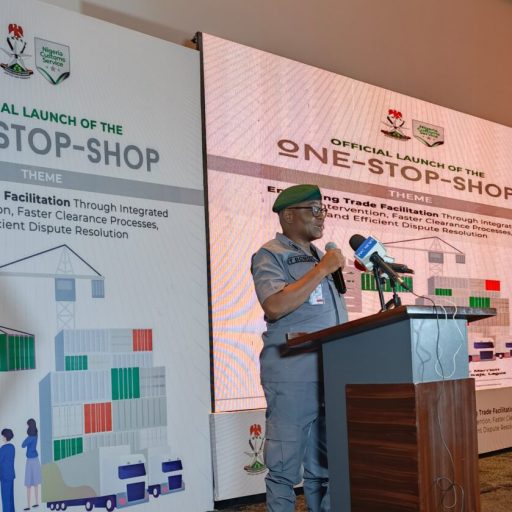
Speaking during a media parley on Tuesday, Comptroller Onyeka commended the Command’s 2025 achievements and expressed confidence that Tin Can Island Port—Nigeria’s second-largest seaport—will surpass its previous records in the new year.
He disclosed that revenue collection for January 2026 rose significantly compared to the same period in 2025. The Command generated ₦145.9 billion in January 2026, up from ₦116.4 billion in January 2025, reflecting an increase of nearly ₦30 billion.
According to Onyeka, the improved performance was driven by strengthened teamwork among officers, enhanced cooperation from stakeholders, and sustained engagement with the media. He acknowledged the press for playing a critical oversight role by highlighting operational gaps and prompting timely corrective actions.
The Controller announced that the Command would now place stronger emphasis on trade facilitation, assuring importers and licensed customs agents of smoother cargo clearance processes. Central to this drive is the planned deployment of a fully paperless cargo processing system designed to eliminate unnecessary human contact and accelerate port operations.
He attributed the ongoing modernization efforts to the strategic leadership of the Comptroller-General of Customs, Bashir Adewale Adeniyi, noting that the support from the leadership of the Nigeria Customs Service continues to reposition Customs operations nationwide.
Reaffirming his open-door policy, Onyeka urged stakeholders to engage directly with the Command to resolve concerns rather than resort to speculation or misinformation. “Transparency and dialogue remain key to sustaining progress,” he stated.
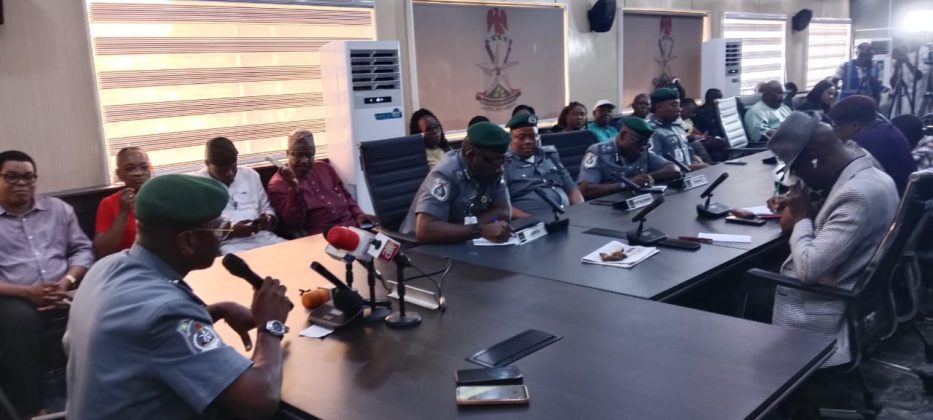
Responding to questions from journalists, the Controller emphasized that Customs officers now operate as 21st-century professionals guided by technology and global best practices. While acknowledging occasional network downtime and technical challenges, he assured that infrastructure upgrades are underway to ensure seamless digital processing.
He further clarified that the Command prioritizes “collectible revenue” over “maximum revenue,” explaining that importers must retain sufficient financial capacity to run their businesses, cover logistics costs, and sustain employment after meeting duty obligations.
On cargo examination procedures, Onyeka explained that properly declared and palletized consignments now pass more swiftly through scanners without physical contact, thereby reducing delays and curbing corruption risks. However, he stressed that shipments flagged by risk management systems or originating from watch-list locations would continue to undergo physical examination in the interest of national security.
The Controller added that enhanced engagement with stakeholders across the logistics value chain would remain a priority throughout the year, aimed at reducing cargo dwell time and improving the overall trading environment at Tin Can Island Port.
He concluded by assuring journalists and port users that the Command remains firmly committed to transparency, operational efficiency, and contributing meaningfully to Nigeria’s economic growth.






Leave a Reply