

By Amina Ojelabi
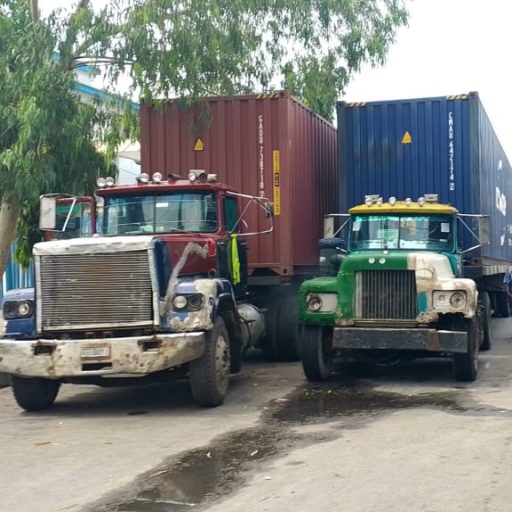
The dreaded Apapa gridlock is back, reigniting fears of another round of traffic paralysis around Nigeria’s busiest port corridor. Despite years of government interventions and enforcement drives, truck congestion has returned to Apapa and Tin Can Island, leaving commuters, residents, and port users stranded for hours daily.
Investigations by the Network of Nigerian Maritime Journalists (NNMJ) reveal that while the roads remain fairly passable during the day, truck queues begin to stretch for kilometres by evening, clogging key access routes from Costain and Mile 2 into the ports.
From Ijora-Olopa Bridge to Apapa and Coconut Bus Stop to Tin Can Island, long lines of trucks have resurfaced — many allegedly paying between ₦30,000 and ₦50,000 to secure space in the queue.
Multiple sources allege that some officials from key agencies — including the Nigerian Ports Authority (NPA), Nigerian Shippers’ Council (NSC), Lagos State Traffic Management Authority (LASTMA), Federal Road Safety Corps (FRSC), and the Nigeria Police — are complicit in the illegal toll collection racket, enabling the chaos to persist.
The worst-hit areas include Wharf Road, Warehouse Road, Commercial Road, Burma Road, and Creek Road, where traffic snarls now stretch late into the night. By 5 p.m., many workers reportedly abandon their vehicles, opting for motorcycles to escape the gridlock.
Former National Coordinator of the Port Standing Task Team (PSTT), Moses Fadipe, attributed the resurgence to “the return of vested interests who previously profited from the disorder.” He urged the Lagos State Government to take decisive action before the situation degenerates.
Also reacting, Martins Enibeli, President of the Nigerian Institute of Shipping (NIS) and the Nigerian Licensed Ship Chandlers Association (NILSCA), blamed government “insincerity” for the relapse. He emphasized the need for sustainable reforms, including cargo evacuation by rail and the revitalization of Eastern and Delta ports to decongest Lagos.
> “Bonded terminals should be relocated away from the port corridors and connected by rail. Government must stop concentrating maritime operations in the West while neglecting other regions,” Enibeli stated.
A senior source, who requested anonymity, confirmed that a powerful syndicate involving both state and non-state actors is profiting from the illegal tolls collected from truckers, fueling the crisis.
Stakeholders are now calling for urgent federal intervention to dismantle the alleged racketeering network and restore order to Apapa’s critical transport arteries.







Leave a Reply